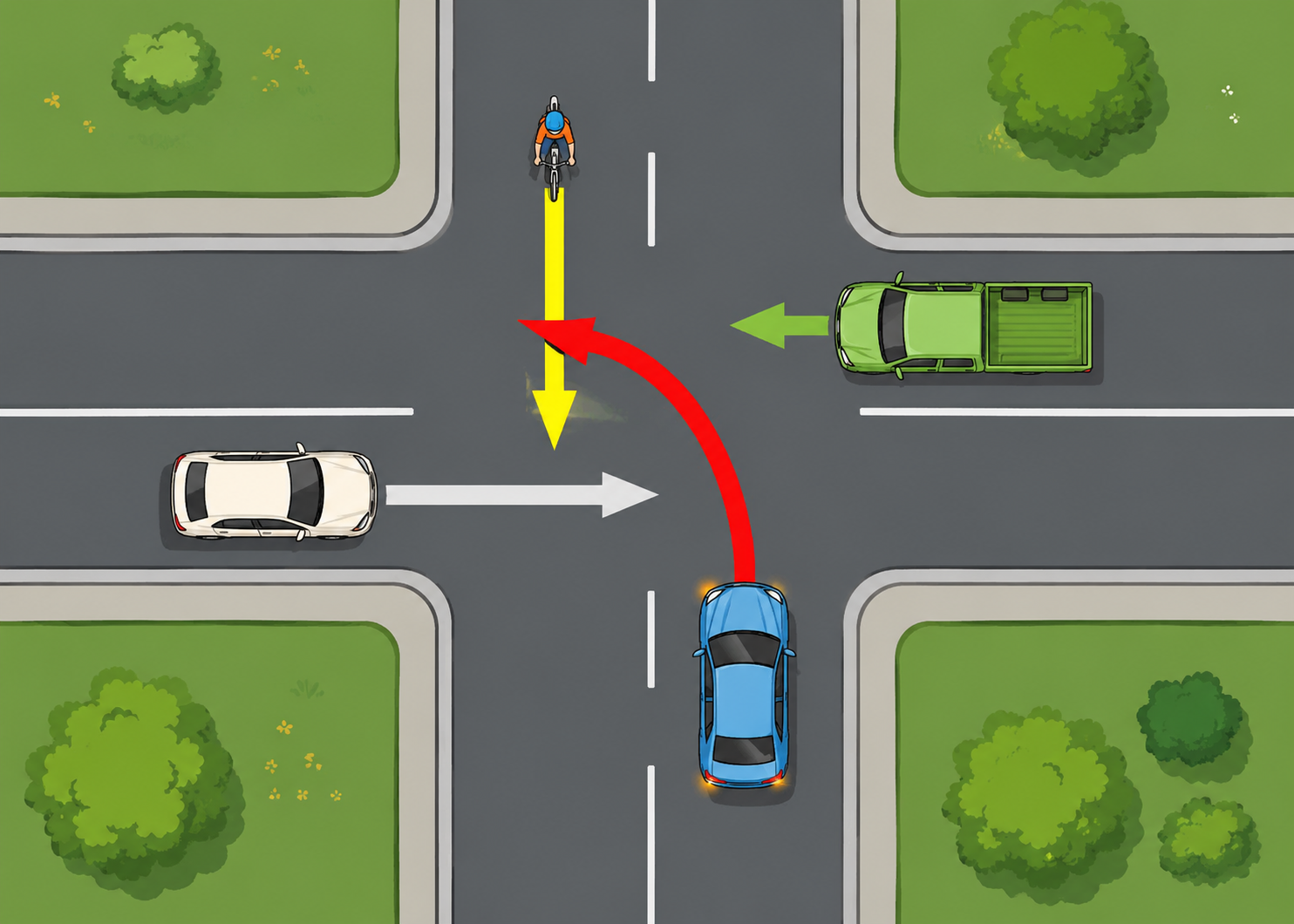
Build safer habits one decision at a time
Defensive driving is a set of everyday decisions that gives you more time, more space, and more options when traffic changes unexpectedly. It is not a promise that other people will drive perfectly or that every hazard can be avoided. Instead, it is a practical approach to reducing risk: scan well ahead, leave room around your vehicle, control speed for conditions, and prepare for the mistakes that other road users may make.
This resource library is organized to help you build those habits in a useful order. Start with the foundation if you want a clear explanation of defensive driving and the routines that support it. Then choose the topic that matches the situation you are dealing with—staying alert, avoiding distractions, traveling in rain, judging stopping distance, or making safer decisions at intersections. Each guide focuses on practical steps you can use before a trip and while conditions are changing.
Small, repeatable choices matter: set your route before moving, check tire condition and visibility before poor weather, and take a break when fatigue affects attention. No article can replace the traffic laws, road signs, or instructions that apply where you drive. Use these resources to sharpen your judgment, then slow down or yield when that is the safer choice. The goal is not perfection; it is recognizing risk early enough to choose the safest available response.
Whether you are a new driver building a foundation, a commuter refreshing safe habits, or a family member helping someone prepare to drive, use the path below to begin with the basics and continue with the topics most relevant to your next trip.
Start here
New to defensive driving? Follow this short path before exploring the topic groups below.
- Learn the core defensive driving habits that create time and space around your vehicle.
- Practice the habits that help new drivers build confidence without rushing decisions.
- See how conditions change stopping distance and why speed and following distance matter.
Defensive driving foundations
Build the scanning, space-management, and decision-making habits that support every other topic.
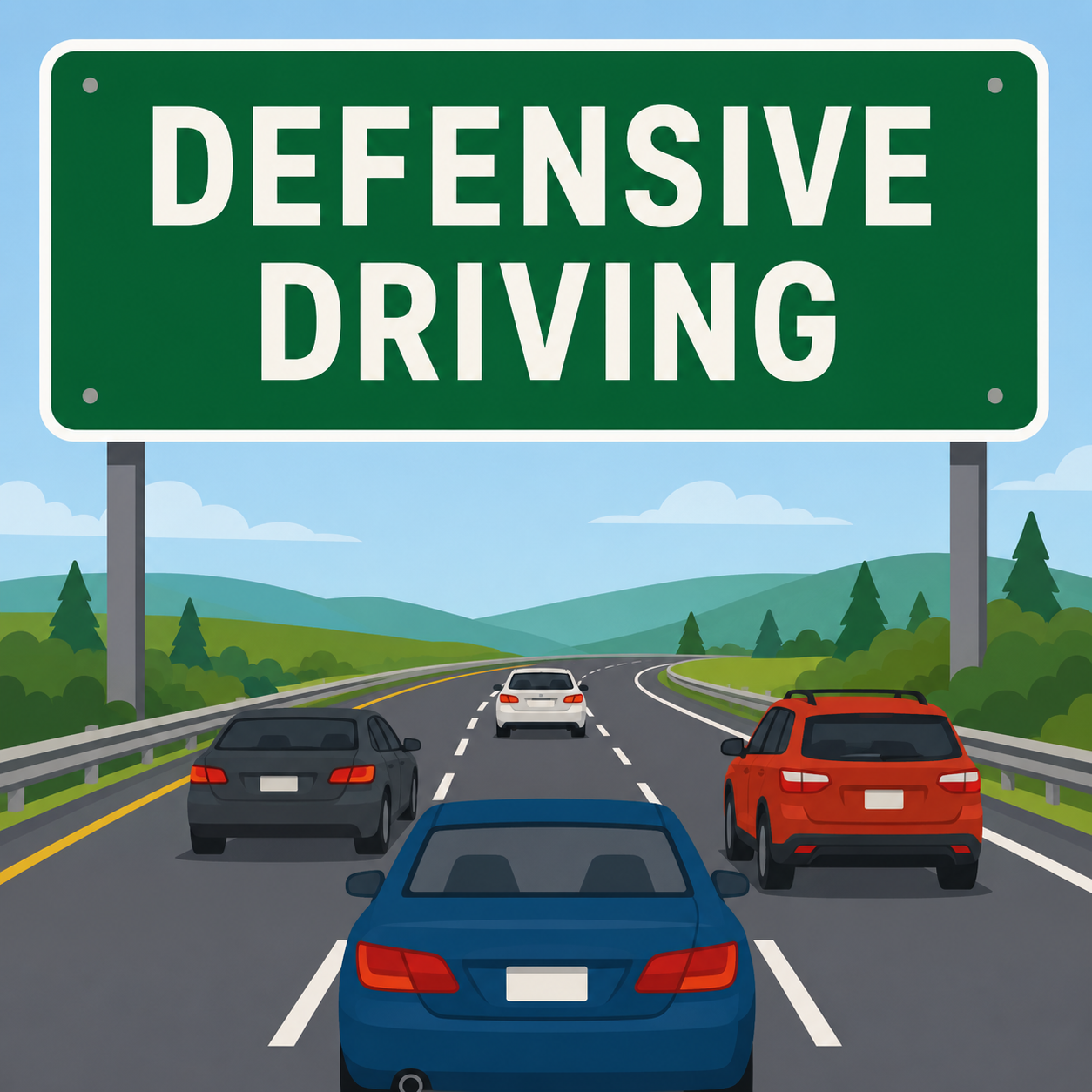
Jun 10, 2026 · 7 min read
What Is Defensive Driving?
Every time a person gets behind the wheel, they face a constantly changing environment filled with potential hazards. Traffic conditions, weather, road design, vehicle performance, and the actions of other drivers all influence safety. While it is impossible to control every risk on the road, drivers can dramatically reduce their chances of being involved in a crash by adopting defensive driving principles. So, what is defensive driving? Defensive driving is a proactive approach to vehicle operation that focuses on anticipating hazards, managing risk, and making safe decisions before dangerous situations develop. Instead of simply reacting to emergencies, defensive drivers continuously monitor their surroundings, predict potential problems, and maintain enough time and space to avoid collisions. Whether you are a new driver, an experienced commuter, or a professional driver, defensive driving can help improve safety, reduce stress, and lower crash risk. Defensive Driving Definition Defensive driving is a driving strategy that emphasizes awareness, anticipation, and risk reduction. A defensive driver: Watches for hazards early Maintains safe following distances Adjusts to changing conditions Expects mistakes from others Avoids aggressive behavior Makes safety the highest priority The goal is not merely to obey traffic laws. Defensive driving goes beyond legal compliance by preparing drivers to handle situations that may not be covered by traffic rules alone. Why Defensive Driving Is Important Roadways are shared by millions of drivers with varying skill levels, attitudes, and levels of attention. Every day, drivers encounter: Distracted drivers Aggressive drivers Impaired drivers Fatigued drivers Poor weather conditions Unexpected road hazards Defensive driving helps drivers navigate these risks safely. Benefits of defensive driving include: Reduced crash risk Improved hazard recognition Better reaction time Lower stress levels Increased confidence Safer traffic flow Many collisions occur because drivers react too late. Defensive driving aims to identify problems before emergency reactions become necessary. The Core Principles of Defensive Driving Defensive driving is built upon several key principles. Awareness Awareness is the foundation of defensive driving. Drivers must continuously observe: Traffic conditions Road signs Lane markings Pedestrians Cyclists Weather conditions Potential hazards Awareness allows drivers to recognize developing risks before they become immediate threats. Anticipation Defensive drivers do not simply observe; they anticipate. They ask questions such as: What could happen next? What if that vehicle changes lanes suddenly? What if that pedestrian steps into the roadway? What if traffic stops ahead? Anticipation creates valuable reaction time. Space Management Space provides options. Defensive drivers maintain sufficient distance around their vehicles to allow for safe maneuvering. This includes: Following distance Side clearance Escape routes Safe passing distances More space means more time to react. Communication Safe driving depends on communication. Drivers communicate through: Turn signals Brake lights Lane positioning Vehicle speed Clear communication reduces confusion and improves predictability. Hazard Recognition: The Heart of Defensive Driving Hazard recognition is the ability to identify potential dangers before they create immediate problems. Examples include: Brake lights several vehicles ahead Vehicles weaving between lanes Children near the roadway Construction zones Wet pavement Experienced defensive drivers constantly scan for these clues. Early hazard recognition allows drivers to make smooth adjustments rather than emergency maneuvers. How Defensive Drivers Scan the Road Effective scanning is a critical defensive driving skill. Rather than focusing only on the vehicle directly ahead, defensive drivers scan multiple areas. Far Zone The far zone includes the area 10 to 15 seconds ahead. Drivers look for: Traffic congestion Road curves Lane closures Traffic signals Midrange Zone This area contains nearby traffic conditions. Drivers monitor: Lane positions Vehicle movement Merging traffic Near Zone The near zone includes immediate roadway conditions. Drivers watch for: Sudden braking Road debris Pedestrians Peripheral Areas Peripheral scanning helps detect: Cyclists Animals Vehicles entering from side streets Continuous scanning improves awareness and reaction time. Maintaining Safe Following Distance Following distance is one of the most important defensive driving concepts. Tailgating significantly increases crash risk. A common recommendation is the three-second rule: Choose a fixed object. When the vehicle ahead passes it, begin counting. Ensure at least three seconds pass before your vehicle reaches the same point. Additional distance should be added during: Rain Snow Fog Heavy traffic Night driving Following distance provides time to react safely. Speed Management and Defensive Driving Speed affects: Reaction time Stopping distance Vehicle control Crash severity Defensive drivers adjust speed based on conditions rather than relying solely on posted limits. Conditions that may require slower speeds include: Wet roads Poor visibility Heavy traffic Construction zones School zones Safe driving requires flexibility. Defensive Driving in Bad Weather Weather can significantly affect vehicle performance. Rain, snow, fog, and ice reduce traction and visibility. Defensive drivers respond by: Reducing speed Increasing following distance Using headlights Avoiding abrupt steering Braking earlier Adapting to conditions is a key component of defensive driving. Defensive Driving Around Aggressive Drivers Aggressive drivers create unnecessary risk. Common aggressive behaviors include: Tailgating Speeding Weaving through traffic Running red lights Road rage Defensive drivers avoid escalating conflicts. Instead, they: Maintain space Allow aggressive drivers to pass Avoid eye contact Focus on safety The objective is to reduce risk, not win arguments. The Relationship Between Defensive Driving and Distracted Driving Defensive driving requires full attention. Distractions undermine: Awareness Hazard recognition Reaction time Decision-making Common distractions include: Cell phones Navigation systems Eating Passengers Fatigue Defensive drivers minimize distractions whenever possible. Defensive Driving and Fatigue Fatigue can impair driving performance similarly to alcohol impairment. Symptoms include: Frequent yawning Difficulty focusing Lane drifting Delayed reactions Defensive drivers recognize these warning signs and stop driving when necessary. Driving while fatigued significantly increases crash risk. Vehicle Maintenance and Defensive Driving Defensive driving extends beyond driver behavior. A well-maintained vehicle is essential for safety. Drivers should regularly inspect: Tires Brakes Lights Windshield wipers Fluid levels Mechanical failures can create hazards even when a driver is attentive. Preventive maintenance helps reduce these risks. Defensive Driving for New Drivers New drivers often have limited experience identifying hazards and predicting traffic behavior. Defensive driving helps by teaching: Situational awareness Space management Hazard anticipation Risk reduction These skills create a strong foundation for long-term driving safety. Common Defensive Driving Mistakes Some drivers believe defensive driving means driving slowly. In reality, defensive driving is about awareness and judgment. Common mistakes include: Focusing Only Ahead Drivers should monitor all areas around the vehicle. Assuming Others Will Follow Rules Not all road users behave predictably. Following Too Closely Insufficient following distance reduces reaction time. Ignoring Weather Conditions Road conditions should influence speed and spacing decisions. Reacting Instead of Anticipating Defensive drivers aim to prevent emergencies rather than respond to them. Defensive Driving Tips You Can Use Today Drivers can immediately improve safety by: Scanning farther ahead Maintaining a safe following distance Checking mirrors regularly Avoiding distractions Adjusting speed for conditions Planning escape routes Expecting mistakes from others Small changes can significantly reduce crash risk. Frequently Asked Questions What is defensive driving? Defensive driving is a proactive driving approach focused on hazard recognition, risk management, and collision prevention. What are the benefits of defensive driving? Benefits include improved safety, reduced crash risk, better awareness, lower stress, and increased confidence. Is defensive driving only for new drivers? No. Drivers of all experience levels benefit from defensive driving techniques. How does defensive driving prevent crashes? Defensive driving increases awareness, improves reaction time, and helps drivers identify hazards before they become emergencies. Defensive driving is more than a driving technique—it is a mindset focused on safety, awareness, and responsibility. By anticipating hazards, maintaining space, managing speed, and preparing for the unexpected, drivers can significantly reduce their risk of being involved in a collision. While no driver can control every situation on the road, defensive driving provides practical tools for managing risk and making safer decisions. Whether you are a beginner or an experienced driver, adopting defensive driving principles can help protect you, your passengers, and everyone who shares the road. Sources National Highway Traffic Safety Administration (NHTSA) – Driver Safety Resources National Safety Council (NSC) – Defensive Driving Programs Federal Motor Carrier Safety Administration (FMCSA) – Driver Safety Guidance Centers for Disease Control and Prevention (CDC) – Motor Vehicle Safety American Association of Motor Vehicle Administrators (AAMVA) AAA Foundation for Traffic Safety Insurance Institute for Highway Safety (IIHS) State Driver Handbooks (California DMV, Texas DPS, Florida DHSMV, New York DMV) Continue learning Explore these related defensive driving resources: Defensive Driving Tips for New Drivers The Dangers of Distracted DrivingREAD ARTICLE →
Jun 9, 2026 · 7 min read
Defensive Driving Tips for New Drivers: A Complete Beginner’s Guide
Learning to drive is an exciting milestone, but it also comes with significant responsibility. New drivers face challenges that experienced motorists often handle automatically, including hazard recognition, speed management, lane positioning, and decision-making under pressure. Because driving experience develops over time, new drivers are statistically more likely to be involved in crashes than experienced drivers. Fortunately, many of these crashes can be prevented through defensive driving. Defensive driving is a driving approach that focuses on anticipating hazards, managing risk, and making proactive decisions to avoid collisions. Instead of simply reacting to dangerous situations, defensive drivers continuously monitor their surroundings and prepare for potential problems before they occur. This guide explores essential defensive driving tips for new drivers and explains how these skills can improve safety, confidence, and overall driving performance. What Is Defensive Driving? Defensive driving is the practice of operating a vehicle in a way that reduces crash risk, even when other drivers make mistakes. Defensive drivers: Anticipate hazards Maintain awareness Control speed appropriately Leave space around their vehicle Prepare for unexpected situations The goal is not simply to follow traffic laws but to actively manage risk in a constantly changing driving environment. For new drivers, defensive driving provides a foundation for developing safe habits that can last a lifetime. Why New Drivers Need Defensive Driving Skills Experience plays a major role in driving performance. New drivers may still be learning how to: Judge speed and distance Recognize developing hazards Manage distractions Respond to emergencies Navigate complex traffic situations Defensive driving helps bridge this experience gap by providing practical strategies that improve awareness and decision-making. The earlier these habits are developed, the more natural they become. Keep Your Eyes Moving One of the most important defensive driving techniques is active scanning. Many inexperienced drivers focus primarily on the vehicle directly ahead. Defensive drivers constantly observe: Traffic ahead Adjacent lanes Side streets Pedestrians Cyclists Traffic signals Mirrors Keeping your eyes moving helps identify hazards before they become emergencies. Scan Far Ahead Looking farther down the road provides valuable reaction time. Drivers should regularly scan 10 to 15 seconds ahead whenever possible. This allows them to notice: Brake lights Traffic congestion Construction zones Lane closures Road hazards Early recognition leads to smoother, safer decisions. Maintain a Safe Following Distance Following too closely is one of the most common mistakes made by new drivers. Tailgating reduces the time available to react if traffic suddenly slows. Use the Three-Second Rule A simple method for maintaining space is the three-second rule: Select a fixed object ahead. When the vehicle in front passes it, begin counting. Ensure at least three seconds pass before reaching the same object. In poor weather, heavy traffic, or at higher speeds, additional space should be added. Following distance is one of the most effective defensive driving tools available. Watch for Escape Routes Defensive drivers always consider where they could move if a hazard develops. An escape route is an open area that provides room to avoid a collision. Examples include: Open lanes Road shoulders Gaps in traffic Maintaining an escape route improves flexibility and reduces panic during emergencies. Expect Other Drivers to Make Mistakes One of the core principles of defensive driving is accepting that other road users may behave unpredictably. Drivers should never assume others will: Signal correctly Yield when required Obey speed limits Stop at stop signs Remain attentive Expecting mistakes helps drivers prepare for unexpected situations. Use Mirrors Frequently Mirrors provide critical information about surrounding traffic. Defensive drivers check mirrors regularly to maintain awareness of: Vehicles behind them Vehicles passing Merging traffic Potential hazards Many driving instructors recommend checking mirrors approximately every five to eight seconds. Frequent mirror use helps build a complete picture of traffic conditions. Avoid Distracted Driving Distracted driving remains one of the leading causes of crashes. New drivers should minimize distractions whenever possible. Common distractions include: Texting Phone use Eating Adjusting controls Conversations Searching for objects Driving requires full attention. Even a few seconds of distraction can significantly increase crash risk. Manage Speed Carefully Speed affects: Stopping distance Reaction time Vehicle control Crash severity New drivers often focus solely on posted speed limits. However, defensive driving requires adjusting speed based on conditions. Drivers should reduce speed when: Roads are wet Visibility is poor Traffic is heavy Construction is present Pedestrians are nearby Safe speed is determined by conditions, not just signs. Learn Proper Lane Positioning Lane position affects visibility, space management, and hazard avoidance. Defensive drivers generally: Stay centered within their lane Avoid unnecessary weaving Position themselves for visibility Leave space beside large vehicles Good lane positioning improves reaction options and reduces conflict with other road users. Signal Early and Clearly Turn signals communicate intentions to other drivers. Failing to signal can create confusion and increase collision risk. Drivers should signal: Before lane changes Before turns Before merging Before pulling away from the curb Clear communication improves predictability and safety. Understand Blind Spots Every vehicle has blind spots where other vehicles may temporarily disappear from view. Before changing lanes: Check mirrors. Signal. Perform a shoulder check. Move only when safe. Blind-spot awareness is especially important on highways and multi-lane roads. Be Careful Around Large Trucks Commercial vehicles have unique limitations. Trucks: Require longer stopping distances Have larger blind spots Turn differently Accelerate more slowly New drivers should: Avoid lingering beside trucks Leave extra following distance Pass promptly when safe Expect wider turns Understanding truck limitations improves roadway safety. Prepare for Poor Weather Weather changes how vehicles respond. Rain, snow, ice, and fog can: Reduce traction Increase stopping distance Lower visibility Defensive drivers adapt by: Slowing down Increasing following distance Using headlights Avoiding sudden movements Weather requires adjustments in driving behavior. Recognize Hazardous Road Conditions Road hazards may include: Potholes Debris Gravel Standing water Construction zones Defensive drivers identify these conditions early and make smooth adjustments. Sudden steering or braking should be avoided whenever possible. Practice Smooth Vehicle Control Abrupt vehicle movements can reduce stability. Defensive drivers use: Smooth steering Gradual acceleration Controlled braking Smooth inputs help maintain traction and improve passenger comfort. They also provide more time to respond if conditions change unexpectedly. Stay Alert for Pedestrians and Cyclists Vulnerable road users require special attention. Pedestrians and cyclists may: Move unpredictably Be difficult to see Enter roadways unexpectedly Drivers should exercise extra caution near: Schools Residential neighborhoods Crosswalks Parks Urban areas Protecting vulnerable road users is a key part of defensive driving. Never Drive While Fatigued Fatigue can impair driving performance similarly to alcohol. Warning signs include: Frequent yawning Heavy eyelids Difficulty focusing Lane drifting If fatigue develops, drivers should stop and rest. Continuing to drive while tired increases crash risk substantially. Know Your Vehicle Every vehicle behaves differently. New drivers should become familiar with: Brake feel Steering response Blind spots Safety features Dashboard warnings Understanding vehicle characteristics improves confidence and control. Build Experience Gradually New drivers should avoid overwhelming themselves. Practice should progress gradually: Quiet neighborhoods Local roads Moderate traffic Highways Challenging weather conditions Building skills progressively creates a stronger foundation. Common Defensive Driving Mistakes New Drivers Make Following Too Closely Insufficient following distance limits reaction time. Overconfidence Confidence should develop through experience, not assumptions. Looking Only Straight Ahead Drivers should continuously scan the entire driving environment. Ignoring Weather Conditions Poor conditions require speed and spacing adjustments. Failing to Plan Ahead Defensive driving relies on anticipation rather than reaction. Frequently Asked Questions What is the most important defensive driving skill? Hazard awareness is often considered the foundation of defensive driving because it allows drivers to identify risks early. How can new drivers become more confident? Confidence develops through practice, experience, and consistent use of defensive driving techniques. How often should mirrors be checked? Many driving experts recommend checking mirrors every five to eight seconds. Is defensive driving only for beginners? No. Defensive driving benefits drivers of all experience levels. Defensive driving provides new drivers with practical strategies for managing risk, avoiding collisions, and developing lifelong safe driving habits. By maintaining awareness, controlling speed, scanning for hazards, managing space, and anticipating the mistakes of others, new drivers can significantly improve their safety on the road. Experience takes time to build, but defensive driving principles can be applied immediately. The habits developed during the first years of driving often shape future driving behavior, making defensive driving one of the most valuable skills a new driver can learn. Sources National Highway Traffic Safety Administration (NHTSA) – Driver Safety Resources Centers for Disease Control and Prevention (CDC) – Motor Vehicle Safety National Safety Council (NSC) – Defensive Driving Resources AAA Foundation for Traffic Safety Federal Motor Carrier Safety Administration (FMCSA) American Association of Motor Vehicle Administrators (AAMVA) State Driver Handbooks (California DMV, Texas DPS, Florida DHSMV, New York DMV) Insurance Institute for Highway Safety (IIHS) Continue learning Explore these related defensive driving resources: What Is Defensive Driving? Understanding Right-of-Way RulesREAD ARTICLE →Fatigue and distraction
Stay focused, recognize when alertness is slipping, and make the safe choice before attention becomes a hazard.
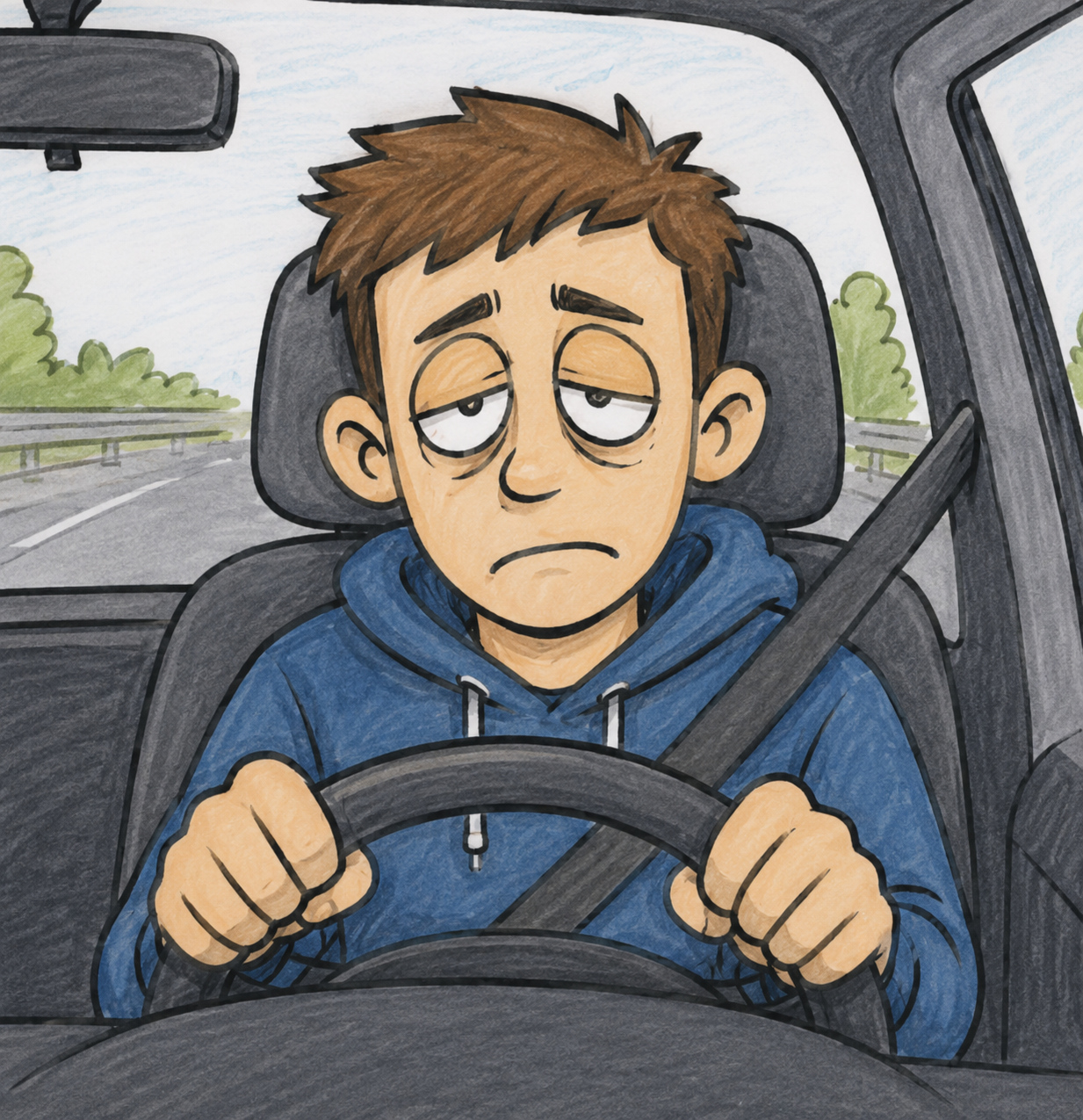
Jun 9, 2026 · 7 min read
Signs of Driver Fatigue and When You Should Stop Driving
Driver fatigue is one of the most underestimated dangers on the road. Unlike speeding, distracted driving, or impaired driving, fatigue often develops gradually. Many drivers do not realize how tired they are until their reaction time slows, their judgment declines, or they briefly fall asleep behind the wheel. Fatigue-related crashes can be particularly severe because drowsy drivers often fail to brake or take evasive action before impact. In some cases, a fatigued driver's performance can resemble that of an impaired driver, with reduced attention, slower reaction times, and poor decision-making. Understanding the signs of driver fatigue and knowing when to stop driving are essential defensive driving skills. By recognizing early warning signs and taking appropriate action, drivers can reduce crash risk and improve safety for themselves and others. What Is Driver Fatigue? Driver fatigue is a state of physical or mental exhaustion that reduces a person's ability to operate a vehicle safely. Fatigue affects: Alertness Concentration Reaction time Judgment Situational awareness Vehicle control Fatigue can result from: Lack of sleep Long driving periods Night driving Irregular work schedules Sleep disorders Physical illness Certain medications Even drivers who feel "mostly awake" may experience significant performance impairments. Why Fatigue Is Dangerous Behind the Wheel Driving requires constant observation and decision-making. Drivers must continuously: Monitor traffic Scan for hazards Check mirrors Maintain lane position Adjust speed Anticipate risks Fatigue reduces a driver's ability to perform all of these tasks effectively. Research has shown that sleep deprivation can impair driving performance similarly to alcohol impairment. Fatigued drivers often: Miss important visual cues React more slowly Make poor decisions Experience lapses in attention Drift from their lane These effects increase crash risk significantly. How Common Are Fatigue-Related Crashes? Fatigue contributes to thousands of crashes every year. Because drivers who fall asleep often cannot report what happened, experts believe fatigue-related crashes may be underreported. Many drowsy-driving collisions occur: Late at night Early in the morning During long-distance travel On highways On monotonous roads The consequences can be severe because fatigued drivers may fail to brake before impact. Early Signs of Driver Fatigue Fatigue rarely appears suddenly. Most drivers experience warning signs before reaching dangerous levels of drowsiness. Recognizing these signs early allows drivers to take action before a crash occurs. Frequent Yawning Yawning is one of the most common indicators of fatigue. Repeated yawning may suggest the body is struggling to maintain alertness. Heavy Eyelids Drooping eyelids often signal declining alertness. Drivers may notice: Difficulty keeping eyes open Frequent blinking Eye irritation Blurred vision These symptoms should never be ignored. Difficulty Focusing Fatigue reduces concentration. Drivers may find themselves: Missing road signs Overlooking exits Forgetting recent events Losing track of traffic conditions Reduced focus is often an early sign of dangerous fatigue. Restlessness Some fatigued drivers become physically restless. They may: Shift frequently in their seat Adjust posture repeatedly Open windows for fresh air While these actions may temporarily increase comfort, they do not eliminate fatigue. Advanced Signs of Driver Fatigue As fatigue worsens, symptoms become more serious. Drifting From Your Lane One of the most dangerous warning signs is unintended lane drift. Drivers may: Touch lane markings Cross lane boundaries Make delayed steering corrections Lane drifting often indicates severe fatigue. Missing Traffic Signs or Signals Fatigued drivers may overlook: Stop signs Speed limit signs Traffic signals Construction warnings Missed information increases the likelihood of collisions. Delayed Reactions Reaction time slows significantly as fatigue increases. Drivers may: Brake later than normal Miss opportunities to avoid hazards Respond poorly to sudden changes Delayed reactions can be especially dangerous at highway speeds. Difficulty Maintaining Speed Fatigue may affect speed control. Drivers sometimes: Slow unintentionally Vary speed without realizing it Drive significantly below traffic flow These changes may indicate declining alertness. Microsleeps: The Most Dangerous Fatigue Symptom A microsleep is a brief, involuntary episode of sleep that may last only a few seconds. During a microsleep: The driver is effectively unconscious Hazard recognition stops Vehicle control may be lost At highway speeds, a vehicle can travel hundreds of feet during a microsleep. Many fatigue-related crashes occur because drivers experience microsleeps without realizing it. Common Causes of Driver Fatigue Understanding fatigue causes helps drivers manage risk more effectively. Insufficient Sleep Lack of sleep is the most common cause of driver fatigue. Most adults require approximately seven to nine hours of sleep per night. Sleep debt accumulates over time and can significantly impair performance. Long Driving Periods Extended driving can create mental and physical fatigue. Hours of continuous attention place demands on the brain and body. Night Driving Human alertness naturally declines during nighttime hours. Driving during normal sleeping periods increases fatigue risk. Shift Work Workers with irregular schedules often experience disruptions to normal sleep patterns. These disruptions can increase drowsy-driving risk. Sleep Disorders Medical conditions such as sleep apnea can reduce sleep quality and increase daytime fatigue. Drivers who experience persistent tiredness should consult a healthcare professional. When Driver Fatigue Is Most Likely Certain times of day present greater fatigue risk. Late Night Hours Many fatigue-related crashes occur between midnight and 6:00 a.m. This period corresponds with the body's natural sleep cycle. Mid-Afternoon Alertness often decreases during the afternoon. Many people experience increased drowsiness between approximately 1:00 p.m. and 4:00 p.m. Long Highway Trips Monotonous road environments can accelerate fatigue. Long stretches of highway provide fewer stimuli, making it easier for alertness to decline. How Fatigue Affects Defensive Driving Defensive driving relies on: Hazard recognition Situational awareness Prediction Quick decision-making Fatigue weakens all of these abilities. A fatigued driver is less likely to: Notice hazards early Maintain safe following distances Anticipate the actions of others Keep an escape route available This reduction in awareness increases collision risk. When Should You Stop Driving? Many drivers ask how tired is "too tired." The answer is simple: If you notice fatigue symptoms, it is time to stop and evaluate your condition. Drivers should strongly consider stopping if they: Struggle to keep their eyes open Cannot remember recent miles traveled Drift from their lane Miss traffic signs Experience repeated yawning Feel mentally disconnected from driving Waiting for fatigue to improve on its own is rarely effective. What To Do If You Become Fatigued While Driving Pull Over Safely The safest response is to stop driving. Locate: A rest area A parking area A service station Another safe location Switch Drivers If another qualified driver is available, consider changing drivers. Stay Hydrated Dehydration may worsen feelings of fatigue. Avoid Continuing Out of Convenience Many fatigue-related crashes occur because drivers believe they are close enough to their destination to continue safely. Unfortunately, fatigue does not disappear simply because the trip is nearly complete. Common Myths About Driver Fatigue "I Can Push Through It" Fatigue affects judgment. Many tired drivers underestimate their level of impairment. "Fresh Air Solves Fatigue" Opening a window may provide temporary stimulation but does not eliminate fatigue. "Coffee Makes Me Safe to Drive" Caffeine may temporarily improve alertness, but it is not a substitute for adequate sleep. "I Have Driven Tired Before" Past success does not guarantee future safety. Fatigue-related crashes often occur without warning. Tips for Preventing Driver Fatigue Defensive drivers take steps to reduce fatigue risk before a trip begins. Get Adequate Sleep Prioritize sufficient rest before long drives. Plan Breaks Stop approximately every two hours during extended trips. Avoid Driving During Sleep Hours When possible, schedule travel during normal waking hours. Share Driving Duties On long trips, rotate drivers when available. Recognize Warning Signs Early Early intervention is one of the best ways to prevent fatigue-related crashes. Driver fatigue is a serious safety hazard that affects reaction time, awareness, judgment, and vehicle control. Because fatigue often develops gradually, many drivers fail to recognize how impaired they have become until dangerous symptoms appear. By learning the signs of driver fatigue, understanding when fatigue is most likely to occur, and knowing when to stop driving, motorists can reduce crash risk and make safer decisions on the road. Defensive driving begins with awareness. Recognizing fatigue and taking action before it becomes dangerous is one of the most important safety decisions a driver can make. Sources National Highway Traffic Safety Administration (NHTSA) – Drowsy Driving Centers for Disease Control and Prevention (CDC) – Drowsy Driving National Safety Council (NSC) – Fatigued Driving AAA Foundation for Traffic Safety – Drowsy Driving Research Federal Motor Carrier Safety Administration (FMCSA) – Driver Fatigue Prevention National Sleep Foundation – Sleep and Driving Safety State Driver Handbooks (California DMV, Texas DPS, Florida DHSMV, New York DMV) Continue learning Explore these related defensive driving resources: The Dangers of Distracted Driving How Long It Takes to Stop at Highway SpeedsREAD ARTICLE →
Jun 9, 2026 · 7 min read
The Dangers of Distracted Driving: How a Few Seconds Can Change Everything
Distracted driving is one of the leading causes of traffic crashes, injuries, and fatalities in the United States. While many drivers recognize the dangers of texting behind the wheel, distraction takes many forms and affects drivers of all ages and experience levels. A distracted driver may miss a traffic signal, fail to notice a pedestrian, drift into another lane, or react too slowly to avoid a collision. In many cases, a crash occurs because the driver's attention was diverted for only a few seconds. Understanding the dangers of distracted driving is an essential part of defensive driving. By recognizing common distractions and learning strategies to manage them, drivers can improve awareness, reduce crash risk, and help create safer roads for everyone. What Is Distracted Driving? Distracted driving occurs whenever a driver's attention is diverted away from the task of driving. Safe driving requires constant focus on: The roadway Other vehicles Traffic signs and signals Road conditions Potential hazards Anything that interferes with that attention can become a distraction. According to the National Highway Traffic Safety Administration (NHTSA), distracted driving includes any activity that takes a driver's attention away from driving. The Three Types of Driving Distractions Most distractions fall into one or more of three categories. Visual Distractions Visual distractions cause a driver to take their eyes off the road. Examples include: Reading a text message Looking at a navigation system Watching an accident scene Searching for an item inside the vehicle Looking at passengers Even a brief glance away from the roadway can have serious consequences. Manual Distractions Manual distractions involve taking one or both hands off the steering wheel. Examples include: Texting Eating Drinking Adjusting vehicle controls Reaching for objects Reduced steering control can make it more difficult to react to sudden hazards. Cognitive Distractions Cognitive distractions occur when a driver's mind is focused on something other than driving. Examples include: Emotional stress Daydreaming Phone conversations Intense discussions with passengers Mental fatigue A driver may appear attentive while still failing to process important information. Why Distracted Driving Is So Dangerous Driving is a complex activity that requires constant observation, decision-making, and control. When attention is divided: Reaction times increase Hazard recognition decreases Decision-making becomes less effective Situational awareness declines Even small distractions can dramatically reduce a driver's ability to respond to changing traffic conditions. Defensive driving depends on continuous awareness. Distractions undermine that awareness and increase crash risk. Texting While Driving Texting is widely considered one of the most dangerous driving behaviors. Texting combines: Visual distraction Manual distraction Cognitive distraction The driver is looking away from the road, using their hands for another task, and concentrating on the message. At highway speeds, a vehicle can travel hundreds of feet while the driver's eyes are off the road. Many drivers underestimate how much distance is covered during a few seconds of distraction. Cell Phone Use and Driving Many people believe hands-free devices completely eliminate distraction. While hands-free technology removes some manual distraction, cognitive distraction can still remain. Phone conversations may: Reduce hazard awareness Delay reaction times Narrow attention Increase mental workload The safest approach is to minimize phone use while driving whenever possible. Common Driving Distractions Beyond Phones Cell phones receive significant attention, but many other distractions contribute to crashes. Eating and Drinking Consuming food or beverages while driving can: Occupy one hand Shift visual attention Create unexpected spills Vehicle Controls Adjusting: Climate controls Audio systems Navigation devices can divert attention from traffic. Passengers Conversations with passengers may become distracting, especially when: Emotions run high Children require attention Multiple people are speaking Pets Unrestrained pets can: Move unexpectedly Block visibility Interfere with steering or pedals Objects Inside the Vehicle Searching for: Phones Bags Documents Sunglasses often causes drivers to take their eyes off the road. How Distractions Affect Reaction Time Reaction time is critical in avoiding collisions. A defensive driver constantly scans for: Brake lights Pedestrians Merging traffic Changing road conditions Distractions delay the recognition of these hazards. Even a one-second delay can dramatically increase stopping distance. At 65 mph, a vehicle travels approximately 95 feet every second. By the time a distracted driver notices a hazard, valuable time and distance may already be lost. Distracted Driving and Defensive Driving Defensive driving relies on anticipation. Drivers must: Scan ahead Monitor mirrors Observe traffic patterns Maintain escape routes Distractions weaken all of these abilities. A distracted driver is less likely to: Notice developing hazards Predict the actions of others Adjust speed appropriately Maintain safe following distances This is why distraction is often considered incompatible with defensive driving principles. The Role of Situational Awareness Situational awareness means understanding what is happening around the vehicle at all times. This includes: Traffic ahead Vehicles behind Adjacent lanes Pedestrians Cyclists Road conditions Distracted drivers often develop tunnel vision. They focus on a secondary task and lose awareness of the broader traffic environment. Reduced situational awareness is a major contributor to preventable crashes. Distracted Driving and Young Drivers Younger drivers often face unique distraction challenges. Factors may include: Inexperience Frequent technology use Peer influence Overconfidence Because newer drivers have less experience recognizing hazards, distractions can have an even greater impact on safety. Defensive driving education helps young drivers build habits that prioritize attention and awareness. Distracted Driving and Commercial Drivers Commercial drivers face additional responsibilities due to: Larger vehicle size Longer stopping distances Greater crash consequences A momentary distraction in a commercial vehicle can affect many road users. For this reason, distraction management is a major component of professional driver training programs. Warning Signs of Distracted Driving Drivers may not always recognize when they have become distracted. Common signs include: Missing exits Drifting within a lane Following too closely Delayed braking Missing traffic signs Forgetting portions of a recent drive These behaviors indicate reduced awareness and increased risk. How to Prevent Distracted Driving Put the Phone Away Silence notifications before driving. Store devices where they cannot be easily accessed. Set Navigation Before Moving Enter destinations before starting the trip. Avoid making adjustments while driving. Secure Loose Items Place personal belongings where they will not shift during travel. Manage Passengers Keep conversations calm and avoid situations that compete for attention. Focus on Driving Driving should always remain the primary task. Everything else is secondary. Defensive Driving Tips for Eliminating Distractions Effective defensive drivers: Scan continuously Check mirrors regularly Keep both hands available for steering Maintain safe following distances Avoid multitasking Plan ahead before beginning a trip These habits help preserve attention and improve hazard recognition. Frequently Asked Questions Is texting while driving dangerous? Yes. Texting combines visual, manual, and cognitive distraction, making it one of the most dangerous activities a driver can perform. Are hands-free devices safe? Hands-free devices reduce manual distraction but may still create cognitive distraction. How many seconds of distraction are dangerous? Even a few seconds can be enough to miss a critical hazard or travel hundreds of feet without monitoring the roadway. What is the best way to avoid distracted driving? Eliminate unnecessary tasks before driving and maintain full attention on the roadway throughout the trip. Distracted driving remains one of the most preventable causes of traffic crashes. Whether the distraction comes from a phone, passenger, navigation device, food, or wandering thoughts, the result is the same: reduced awareness and increased risk. Defensive driving requires continuous attention to the roadway and surrounding environment. By recognizing common distractions and actively working to eliminate them, drivers can improve reaction times, maintain situational awareness, and make safer decisions behind the wheel. Every trip presents opportunities to choose focus over distraction. Those choices can help prevent crashes, injuries, and fatalities. Sources National Highway Traffic Safety Administration (NHTSA) – Distracted Driving Centers for Disease Control and Prevention (CDC) – Distracted Driving Facts and Statistics Federal Motor Carrier Safety Administration (FMCSA) – Driver Distraction Program National Safety Council (NSC) – Distracted Driving Resources AAA Foundation for Traffic Safety – Driver Distraction Research Insurance Institute for Highway Safety (IIHS) – Distracted Driving Studies State Driver Handbooks (California DMV, Texas DPS, Florida DHSMV, New York DMV) Continue learning Explore these related defensive driving resources: Signs of Driver Fatigue What Is Defensive Driving?READ ARTICLE →Weather and stopping distance
Learn how rain, speed, reaction time, traction, and vehicle condition change the space you need to stop safely.
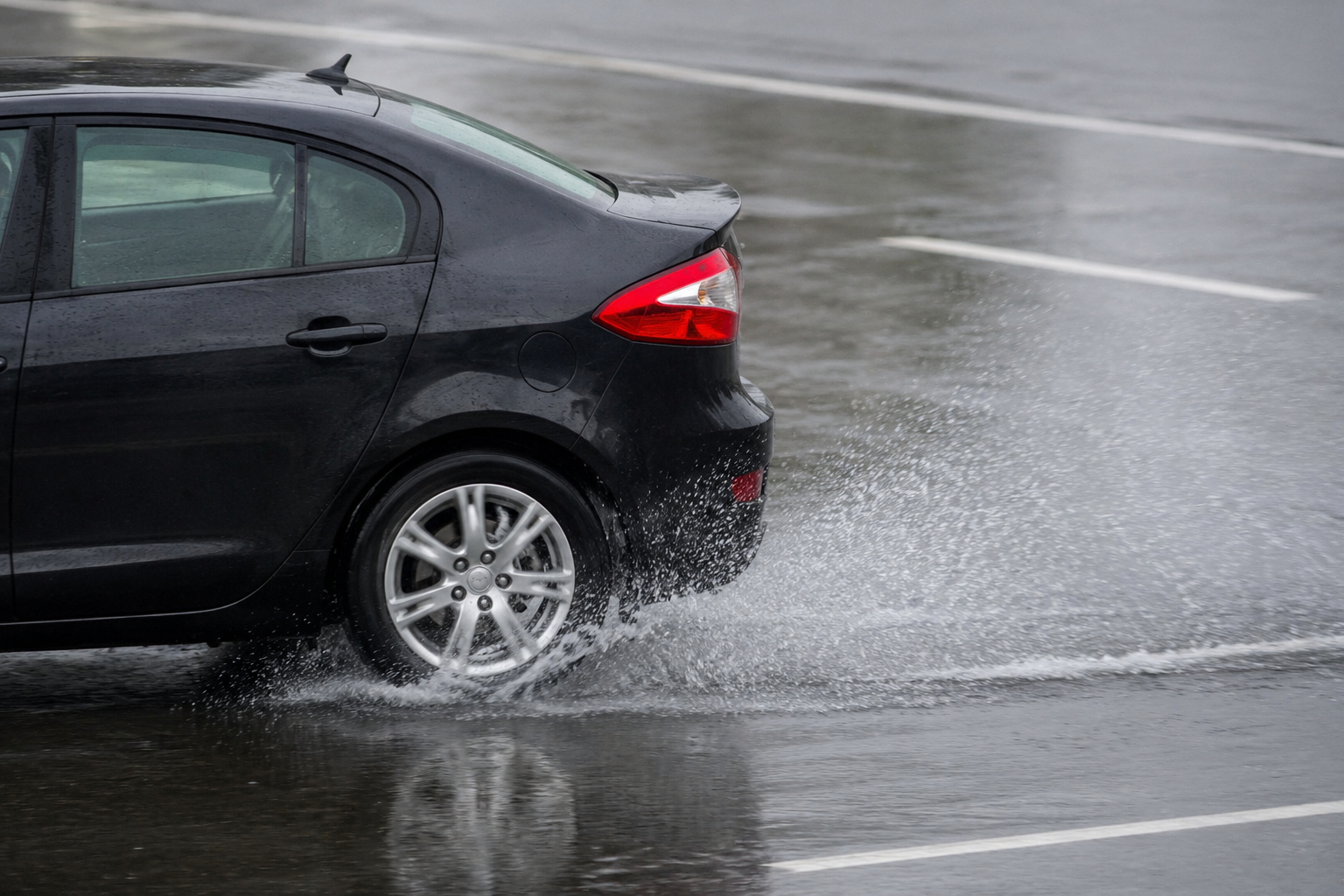
Jun 9, 2026 · 6 min read
How Rain Affects Stopping Distance: What Every Driver Should Know
Rain is one of the most common weather conditions drivers encounter, yet many people underestimate its impact on vehicle control and stopping distance. Even a light rain can significantly reduce traction, increase braking distance, and make it more difficult to avoid hazards. Understanding how rain affects stopping distance is an essential part of defensive driving. Drivers who recognize the risks of wet roads can adjust their speed, following distance, and braking habits to reduce the likelihood of a crash. In this guide, we'll explain why stopping distances increase in rainy conditions, what factors influence wet-weather braking performance, and how drivers can stay safe when roads become slippery. What Is Stopping Distance? Stopping distance is the total distance a vehicle travels from the moment a driver recognizes a hazard until the vehicle comes to a complete stop. Stopping distance consists of two parts: Reaction Distance Reaction distance is the distance traveled while a driver: Notices a hazard Processes the information Decides how to respond Moves their foot to the brake pedal Even alert drivers require time to react. Braking Distance Braking distance begins when the brakes are applied and ends when the vehicle stops completely. Road conditions, tire traction, vehicle speed, and brake performance all influence braking distance. When roads are wet, braking distance increases because tires cannot grip the pavement as effectively. Why Rain Increases Stopping Distance The primary reason rain increases stopping distance is reduced traction. Vehicle tires rely on friction between the tire tread and road surface. Water creates a thin barrier that decreases this friction. As traction decreases: Tires generate less grip Braking becomes less effective Steering response is reduced Skid risk increases The result is a longer distance needed to stop safely. How Much Does Rain Increase Stopping Distance? Exact numbers vary depending on: Vehicle type Tire condition Road surface Rain intensity Vehicle speed However, many transportation safety organizations warn that stopping distances on wet roads can be significantly longer than on dry pavement. For example: Speed Dry Road (Approx.) Wet Road (Approx.) 30 mph 75-100 ft 100-130 ft 50 mph 175-225 ft 250-300 ft 70 mph 325-400 ft 450-550+ ft These estimates demonstrate why drivers should reduce speed during rain events. A vehicle traveling at highway speed may require hundreds of additional feet to stop safely. The First Rain Is Often the Most Dangerous Many drivers assume heavy rain creates the greatest danger. In reality, the first rainfall after a dry period is often particularly hazardous. Oil, fuel residue, dirt, and dust accumulate on road surfaces over time. When rain first begins: Water mixes with these contaminants Roads become unusually slippery Traction can drop dramatically Until rainfall washes contaminants away, stopping distances may increase significantly. How Tire Traction Changes in Rain Tires are responsible for maintaining contact with the road surface. Only a relatively small portion of each tire touches the pavement at any moment. When rainwater covers the road: The contact patch becomes less effective Water reduces friction Grip decreases Tread design helps channel water away from the tire. As tread depth decreases, the tire becomes less capable of maintaining traction. Why Tread Depth Matters Worn tires are especially dangerous in rain. Reduced tread depth: Increases hydroplaning risk Reduces braking performance Lowers steering responsiveness Drivers should regularly inspect tire tread and replace tires before they become excessively worn. Hydroplaning and Loss of Control One of the most serious wet-weather hazards is hydroplaning. Hydroplaning occurs when: Water accumulates on the road Tires cannot evacuate water quickly enough The vehicle rides on top of the water layer When hydroplaning occurs: Steering effectiveness is greatly reduced Braking effectiveness decreases Drivers may temporarily lose control Hydroplaning can occur even when roads appear only moderately wet. Risk factors include: High speeds Worn tires Standing water Poor tire pressure Why Speed Has a Greater Effect in Rain Speed always affects stopping distance. However, speed becomes even more critical when traction is reduced. At higher speeds: Tires have less time to move water away Hydroplaning risk increases Braking distances grow dramatically Many crashes occur because drivers maintain dry-weather speeds during rainstorms. Reducing speed is one of the most effective ways to improve safety on wet roads. Following Distance in Rain Safe following distance becomes especially important during rainy weather. Under ideal conditions, many defensive driving programs recommend maintaining at least three seconds of following distance. In rain, drivers should increase this gap. Many experts recommend: Four to six seconds in moderate rain Even greater distances in heavy rain Additional space provides: More reaction time More braking distance Greater flexibility for evasive action How Vehicle Maintenance Affects Wet-Weather Stopping Distance Proper vehicle maintenance plays a major role in wet-road safety. Tire Maintenance Drivers should regularly check: Tread depth Tire pressure Uneven wear Visible damage Brake Maintenance Brake systems should be inspected periodically. Key components include: Brake pads Rotors Brake fluid Brake lines Suspension Components Worn suspension parts can reduce tire contact with the road. Reduced contact means less traction and longer stopping distances. Defensive Driving Strategies for Rainy Conditions Defensive drivers adapt their behavior to changing weather conditions. Reduce Speed Lower speeds improve: Tire traction Steering control Braking effectiveness Increase Following Distance Extra space allows more time to react and stop safely. Avoid Sudden Inputs Abrupt actions can overwhelm available traction. Drivers should: Brake smoothly Accelerate gradually Steer gently Scan Farther Ahead Early hazard recognition is critical. Looking farther down the road provides more time to: Identify hazards Adjust speed Plan escape routes Use Headlights Headlights improve visibility and help other road users see your vehicle. Common Wet-Weather Driving Mistakes Many drivers unknowingly increase risk during rain. Common mistakes include: Driving Too Fast Excessive speed remains one of the leading contributors to wet-road crashes. Following Too Closely Tailgating eliminates the extra space needed for increased stopping distances. Ignoring Tire Condition Worn tires dramatically reduce wet-road performance. Braking Aggressively Hard braking can cause skids and loss of control. Using Cruise Control Cruise control can delay a driver's response during traction loss events. Frequently Asked Questions Does rain double stopping distance? Not always, but stopping distance can increase significantly depending on road conditions, tire quality, and vehicle speed. How much should I slow down in rain? Drivers should reduce speed enough to maintain control and account for reduced traction. Exact reductions depend on weather severity and roadway conditions. Are wet roads more dangerous than snowy roads? Both conditions present unique hazards. Many drivers underestimate rain because it is common, but wet-road crashes occur frequently due to reduced traction and increased stopping distances. Can new tires improve stopping distance in rain? Yes. Tires with adequate tread depth generally provide better wet-weather traction and hydroplaning resistance. Rain affects stopping distance by reducing traction between tires and the road. As roads become wet, vehicles require more distance to brake safely, and the risk of hydroplaning increases. Drivers who understand these effects can make better decisions by reducing speed, increasing following distance, maintaining their vehicles, and applying defensive driving principles. Safe driving in rain begins with recognizing that wet roads change how a vehicle behaves. By adjusting early and driving proactively, motorists can reduce crash risk and improve safety for everyone on the road. Sources National Highway Traffic Safety Administration (NHTSA) – Rain, Floods and Wet Roads Safety Federal Highway Administration (FHWA) – Road Weather Management Program National Safety Council (NSC) – Driving in Rain and Wet Conditions AAA Foundation for Traffic Safety Federal Motor Carrier Safety Administration (FMCSA) Driver Safety Resources State Driver Handbooks (California DMV, Texas DPS, Florida DHSMV, New York DMV) Michelin Tire Safety Research and Wet Traction Guidance Continue learning Explore these related defensive driving resources: How Long It Takes to Stop at Highway Speeds What Is Defensive Driving?READ ARTICLE →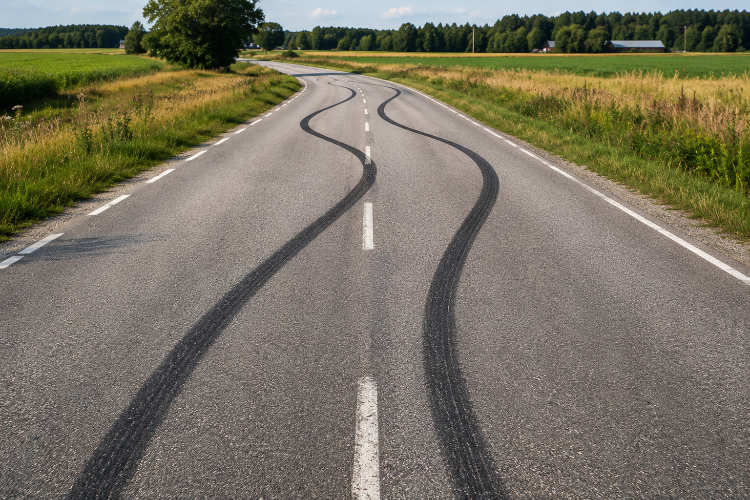
Jun 9, 2026 · 4 min read
How Long Does It Take to Stop a Car at Highway Speeds?
Many drivers underestimate how far a vehicle travels before coming to a complete stop. At highway speeds, stopping distance is much longer than most people realize because it includes both reaction distance and braking distance. For example, a vehicle traveling at 65 mph may require more than 300 feet to stop under ideal conditions. That distance can increase significantly in rain, snow, poor visibility, or when a driver is distracted or fatigued. Understanding stopping distance is a fundamental part of defensive driving because it helps drivers maintain safe following distances, anticipate hazards, and avoid collisions. What Is Stopping Distance? Stopping distance is the total distance a vehicle travels from the moment a driver recognizes a hazard until the vehicle comes to a complete stop. Stopping distance consists of two primary components: Reaction Distance Reaction distance is the distance traveled while the driver notices a hazard and moves their foot to the brake pedal. Even attentive drivers require time to: Recognize a danger Process the situation Decide on a response Physically begin braking At highway speeds, a vehicle can travel a surprising distance during this brief period. Braking Distance Braking distance begins when the brakes are applied and ends when the vehicle stops completely. This distance depends on factors such as: Vehicle speed Tire condition Brake condition Road surface Vehicle weight Weather conditions The faster a vehicle travels, the longer the braking distance becomes. Average Stopping Distances by Speed While exact distances vary, the following estimates illustrate how speed affects stopping distance under good driving conditions: Speed Approximate Total Stopping Distance 20 mph 40–50 feet 30 mph 75–100 feet 40 mph 120–150 feet 50 mph 175–225 feet 60 mph 250–300 feet 70 mph 325–400+ feet These figures demonstrate an important principle: stopping distance does not increase in a straight line as speed rises. Small increases in speed can lead to much larger increases in stopping distance. Why Highway Speeds Increase Risk Many crashes occur because drivers assume they can stop more quickly than physics allows. At highway speeds: Hazards appear faster Reaction time becomes more critical Vehicles travel farther before braking begins Braking forces increase dramatically A driver traveling at 70 mph covers more than 100 feet every second. Even a brief delay in reacting can significantly increase collision risk. This is one reason defensive driving emphasizes looking far ahead and identifying hazards early. Factors That Affect Stopping Distance Driver Reaction Time Reaction time varies from person to person. Several factors can slow reactions: Fatigue Distraction Stress Alcohol use Drug use Mobile phone use Even a one-second increase in reaction time can add more than 100 feet to stopping distance at highway speeds. Road Conditions Road surfaces play a major role in vehicle stopping performance. Common hazards include: Rain Snow Ice Gravel Oil residue Standing water Reduced traction means tires cannot generate the same braking force they can on dry pavement. Tire Condition Tires are the only part of a vehicle that touches the road. Worn tires reduce grip and increase stopping distances. Drivers should regularly inspect: Tread depth Tire pressure Visible damage Uneven wear Properly maintained tires help preserve traction during emergency braking situations. Brake Condition Braking systems require regular maintenance. Worn components can reduce stopping performance and increase stopping distance. Important maintenance items include: Brake pads Rotors Brake fluid Brake lines Regular inspections help ensure the braking system functions properly when needed most. How Defensive Drivers Reduce Stopping Distance Risks Defensive drivers understand they cannot change physics, but they can change how they prepare for hazards. Effective strategies include: Maintaining safe following distances Scanning well ahead of traffic Monitoring brake lights in the distance Adjusting speed for conditions Avoiding distractions Keeping the vehicle properly maintained These habits provide additional time and space to respond safely. The Three-Second Following Rule One of the easiest ways to manage stopping distance is by maintaining a safe following distance. A common recommendation is the three-second rule: Select a fixed object ahead. When the vehicle in front passes it, begin counting. Ensure at least three seconds pass before your vehicle reaches the same object. In poor weather, heavy traffic, or at higher speeds, additional space is recommended. The Take-Away? Stopping a vehicle at highway speeds takes much longer than many drivers expect. Total stopping distance includes both reaction distance and braking distance, and both increase as speed rises. Road conditions, vehicle maintenance, tire condition, weather, and driver alertness all influence how quickly a vehicle can stop. By understanding stopping distance and applying defensive driving principles, drivers can create the space needed to identify hazards early, respond safely, and reduce the risk of collisions. Continue learning Explore these related defensive driving resources: How Rain Affects Stopping Distance Signs of Driver FatigueREAD ARTICLE →Everyday driving decisions
Use predictable, patient choices at intersections, crosswalks, roundabouts, and other shared road spaces.