
How Long Does It Take to Stop a Car at Highway Speeds?
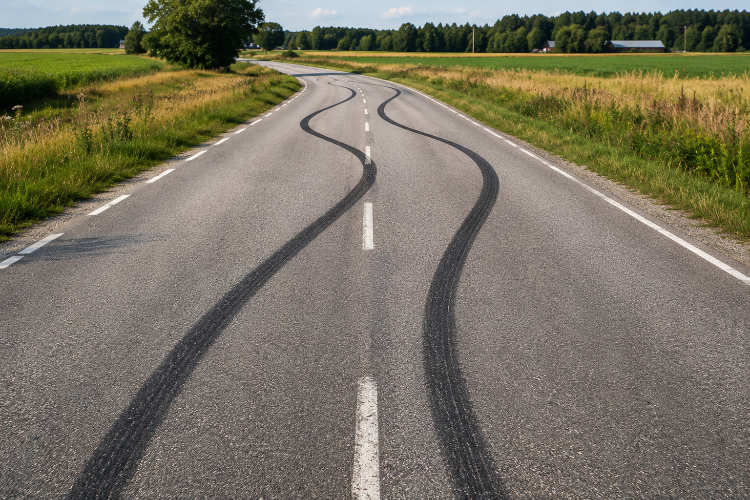
Many drivers underestimate how far a vehicle travels before coming to a complete stop. At highway speeds, stopping distance is much longer than most people realize because it includes both reaction distance and braking distance.
For example, a vehicle traveling at 65 mph may require more than 300 feet to stop under ideal conditions. That distance can increase significantly in rain, snow, poor visibility, or when a driver is distracted or fatigued.
Understanding stopping distance is a fundamental part of defensive driving because it helps drivers maintain safe following distances, anticipate hazards, and avoid collisions.
What Is Stopping Distance?
Stopping distance is the total distance a vehicle travels from the moment a driver recognizes a hazard until the vehicle comes to a complete stop.
Stopping distance consists of two primary components:
Reaction Distance
Reaction distance is the distance traveled while the driver notices a hazard and moves their foot to the brake pedal.
Even attentive drivers require time to:
Recognize a danger
Process the situation
Decide on a response
Physically begin braking
At highway speeds, a vehicle can travel a surprising distance during this brief period.
Braking Distance
Braking distance begins when the brakes are applied and ends when the vehicle stops completely.
This distance depends on factors such as:
Vehicle speed
Tire condition
Brake condition
Road surface
Vehicle weight
Weather conditions
The faster a vehicle travels, the longer the braking distance becomes.
Average Stopping Distances by Speed
While exact distances vary, the following estimates illustrate how speed affects stopping distance under good driving conditions:
Speed | Approximate Total Stopping Distance |
20 mph | 40–50 feet |
30 mph | 75–100 feet |
40 mph | 120–150 feet |
50 mph | 175–225 feet |
60 mph | 250–300 feet |
70 mph | 325–400+ feet |
These figures demonstrate an important principle: stopping distance does not increase in a straight line as speed rises. Small increases in speed can lead to much larger increases in stopping distance.
Why Highway Speeds Increase Risk
Many crashes occur because drivers assume they can stop more quickly than physics allows.
At highway speeds:
Hazards appear faster
Reaction time becomes more critical
Vehicles travel farther before braking begins
Braking forces increase dramatically
A driver traveling at 70 mph covers more than 100 feet every second. Even a brief delay in reacting can significantly increase collision risk.
This is one reason defensive driving emphasizes looking far ahead and identifying hazards early.
Factors That Affect Stopping Distance
Driver Reaction Time
Reaction time varies from person to person.
Several factors can slow reactions:
Fatigue
Distraction
Stress
Alcohol use
Drug use
Mobile phone use
Even a one-second increase in reaction time can add more than 100 feet to stopping distance at highway speeds.
Road Conditions
Road surfaces play a major role in vehicle stopping performance.
Common hazards include:
Rain
Snow
Ice
Gravel
Oil residue
Standing water
Reduced traction means tires cannot generate the same braking force they can on dry pavement.
Tire Condition
Tires are the only part of a vehicle that touches the road.
Worn tires reduce grip and increase stopping distances.
Drivers should regularly inspect:
Tread depth
Tire pressure
Visible damage
Uneven wear
Properly maintained tires help preserve traction during emergency braking situations.
Brake Condition
Braking systems require regular maintenance.
Worn components can reduce stopping performance and increase stopping distance.
Important maintenance items include:
Brake pads
Rotors
Brake fluid
Brake lines
Regular inspections help ensure the braking system functions properly when needed most.
How Defensive Drivers Reduce Stopping Distance Risks
Defensive drivers understand they cannot change physics, but they can change how they prepare for hazards.
Effective strategies include:
Maintaining safe following distances
Scanning well ahead of traffic
Monitoring brake lights in the distance
Adjusting speed for conditions
Avoiding distractions
Keeping the vehicle properly maintained
These habits provide additional time and space to respond safely.
The Three-Second Following Rule
One of the easiest ways to manage stopping distance is by maintaining a safe following distance.
A common recommendation is the three-second rule:
Select a fixed object ahead.
When the vehicle in front passes it, begin counting.
Ensure at least three seconds pass before your vehicle reaches the same object.
In poor weather, heavy traffic, or at higher speeds, additional space is recommended.
The Take-Away?
Stopping a vehicle at highway speeds takes much longer than many drivers expect. Total stopping distance includes both reaction distance and braking distance, and both increase as speed rises.
Road conditions, vehicle maintenance, tire condition, weather, and driver alertness all influence how quickly a vehicle can stop.
By understanding stopping distance and applying defensive driving principles, drivers can create the space needed to identify hazards early, respond safely, and reduce the risk of collisions.
Continue learning
Explore these related defensive driving resources: